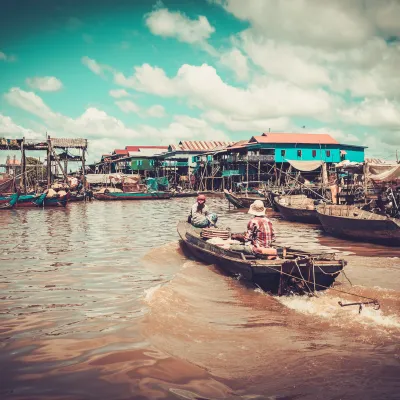
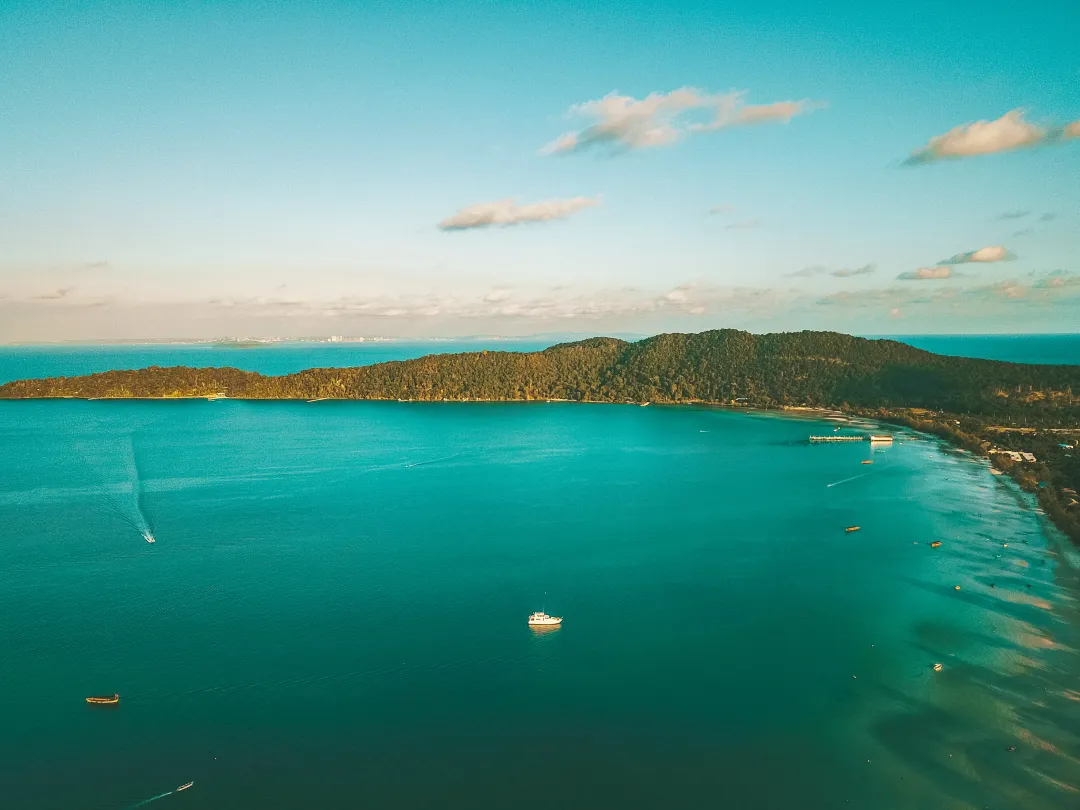
Siem Reap lies inland in northwest Cambodia, so its nearest shoreline is Tonle Sap lake, about thirty minutes south of the town at Chong Kneas. Four floating villages surround Siem Reap, including Kompong Khleang, Kompong Phluk, Chong Kneas and Meychrey, where daily life follows the water. For sand and sea you would add a flight south, while the town itself offers pools, garden courtyards and relaxed evenings. Siem Reap is also Cambodia's second largest city.
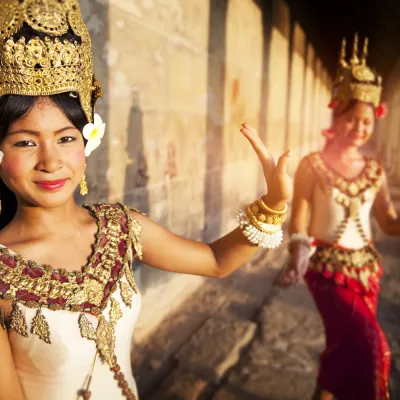
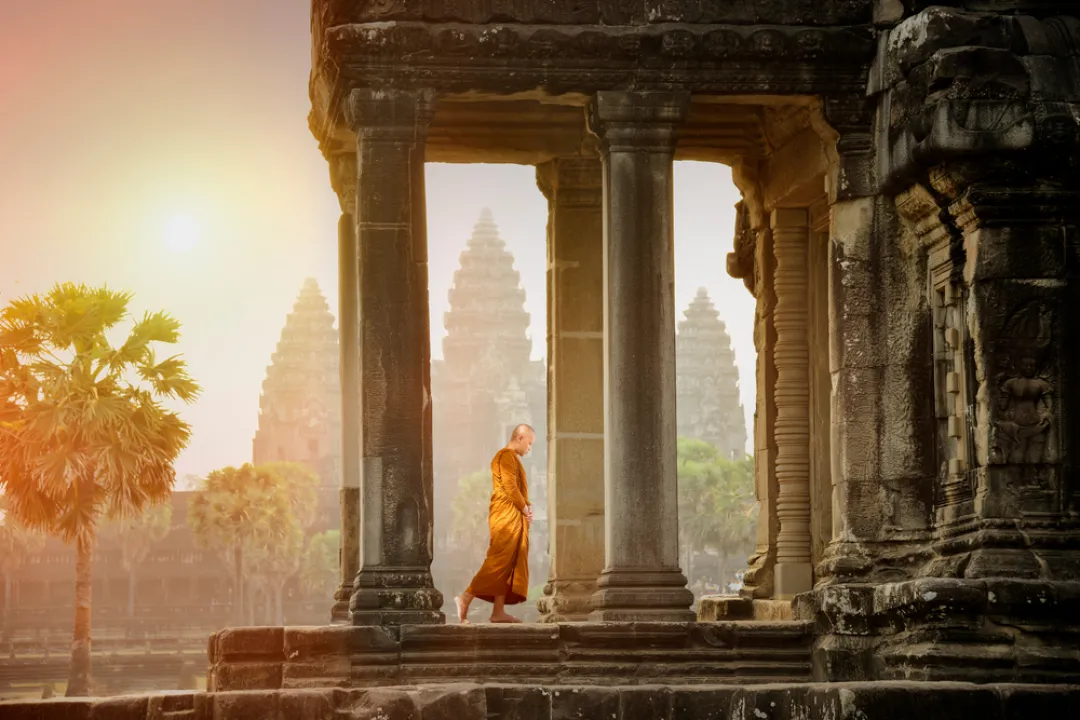
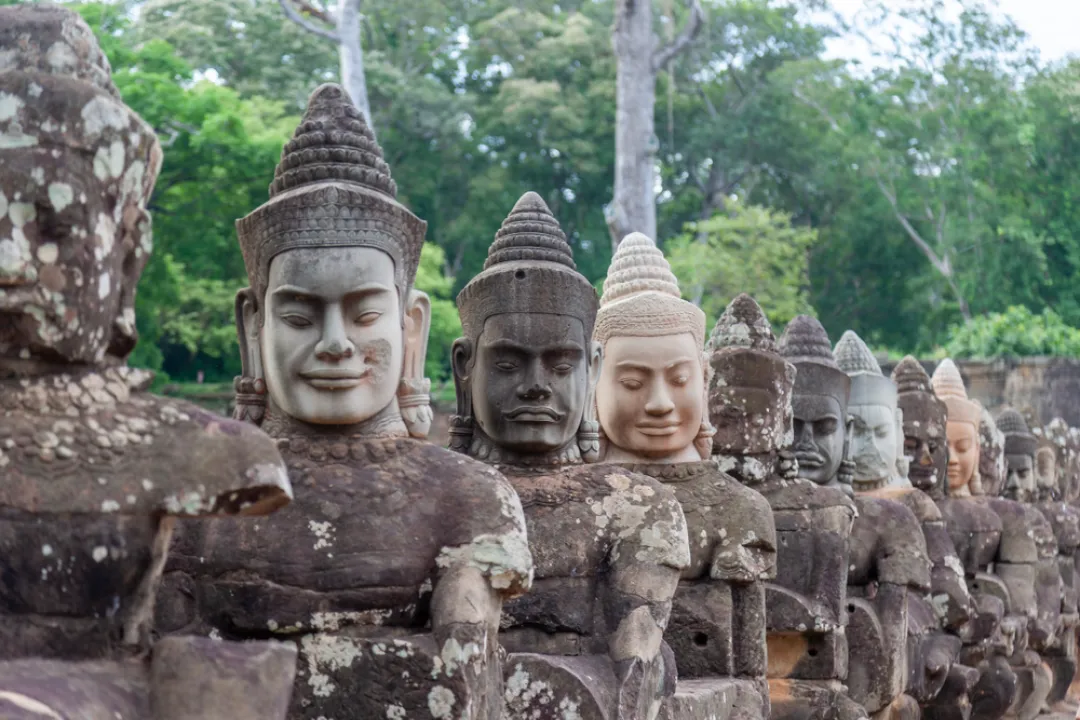
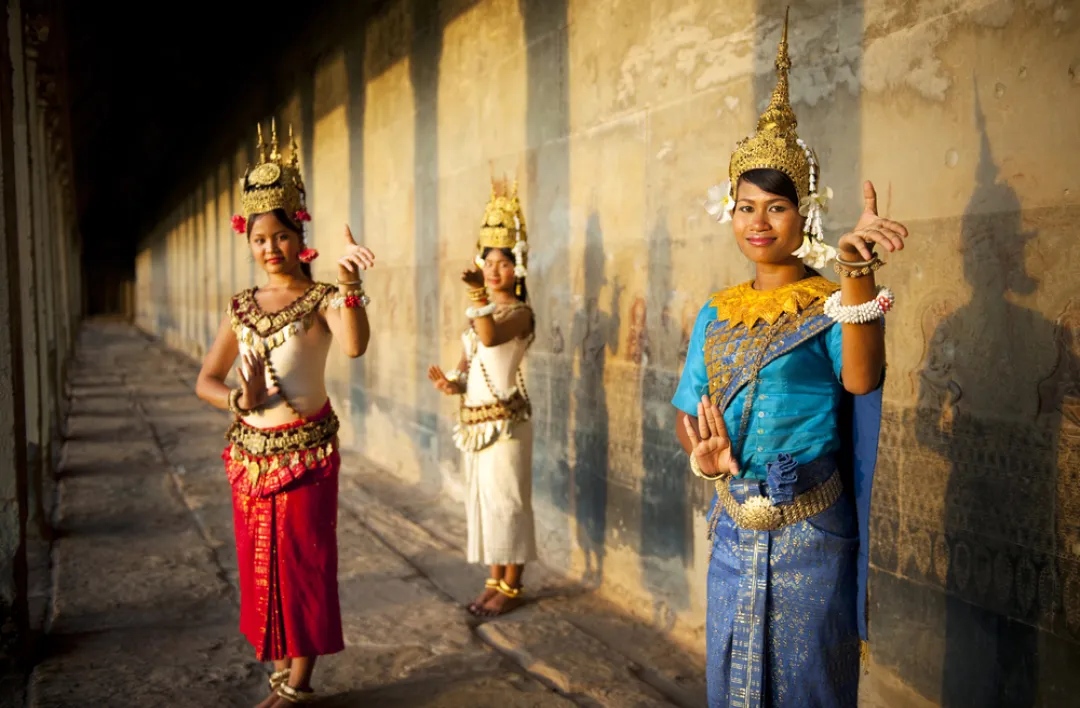
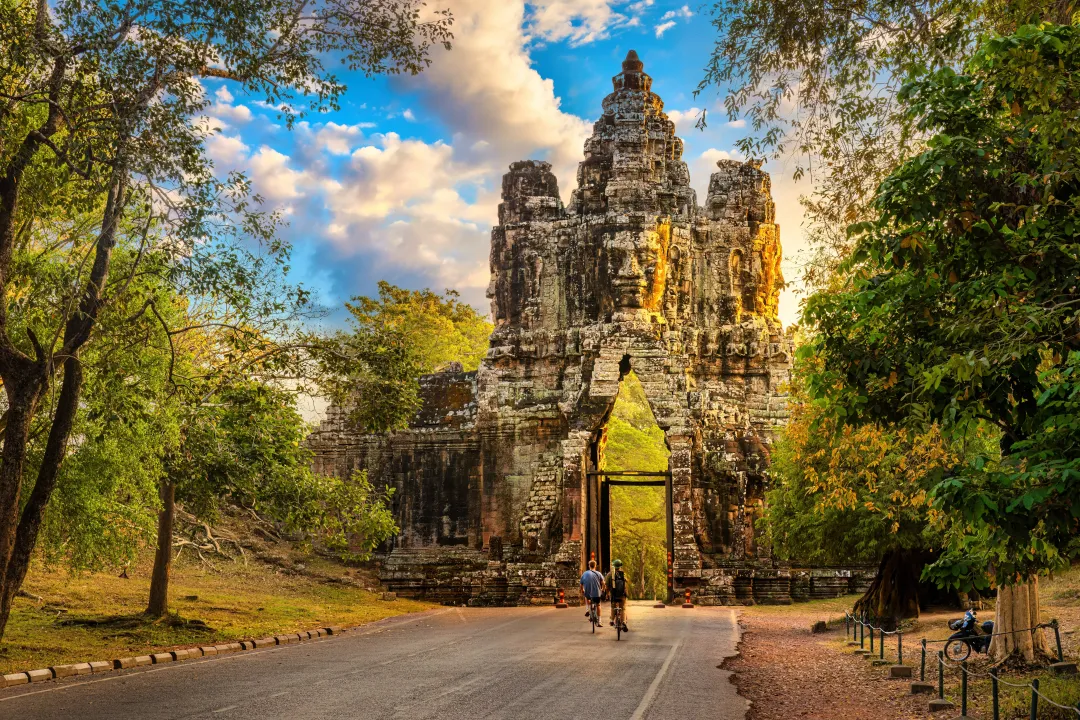
Rise early for sunrise at Angkor Wat, then explore Angkor Thom and the Bayon, founded by Jayavarman VII after Angkor was sacked in 1178. Back in town, browse the Old Market between Pub Street and the Siem Reap River, visit Artisans Angkor to see traditional Khmer craftsmanship revived, and watch an Apsara dance performance. Pub Street comes alive each evening with restaurants and bars. Silk farms outside town show how fine Cambodian textiles are made.
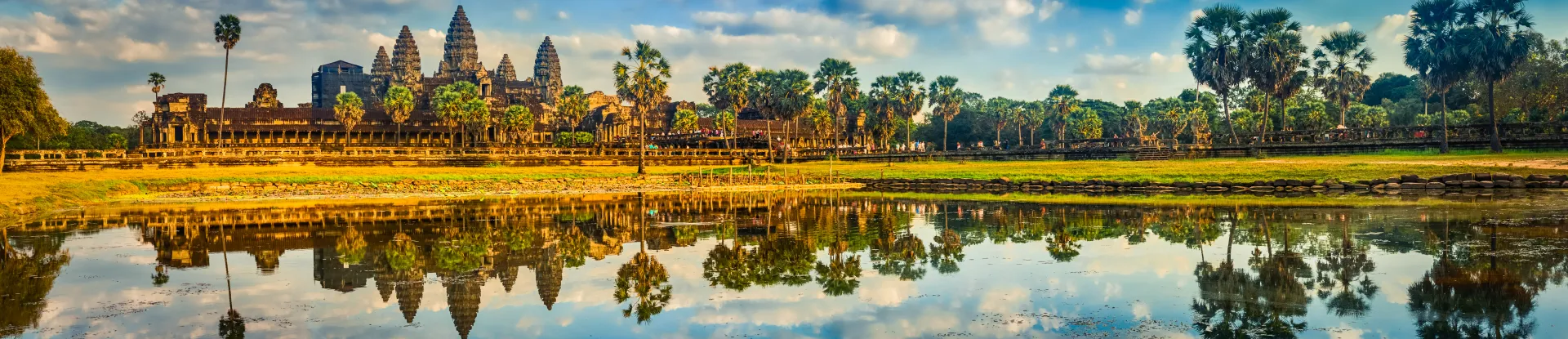
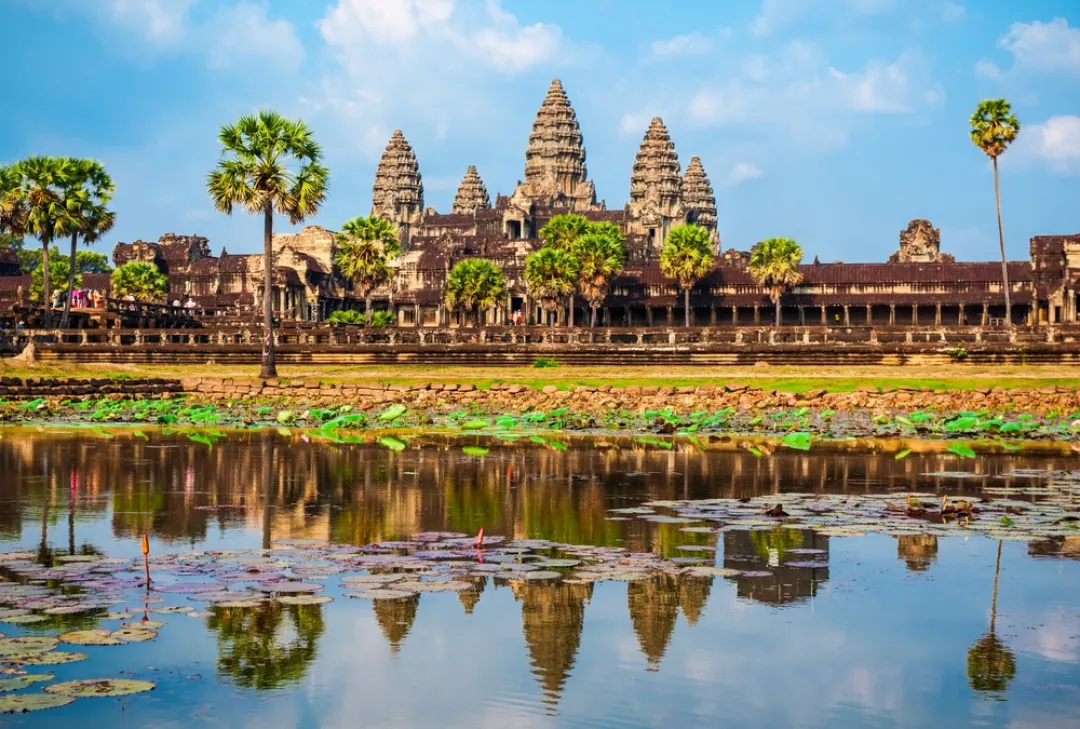
Angkor Wat was built for the Khmer king Suryavarman II, with construction beginning in 1122 and finishing in 1150. Dedicated first to Vishnu, it gradually became a Buddhist site, and about a thousand square metres of bas-reliefs show scenes from the Ramayana and Mahabharata. The temple became a World Heritage Site in 1992. The temple complex covers 162.6 hectares of land. The French acquired Angkor in 1907, and the Grand Hotel d'Angkor opened in 1929.
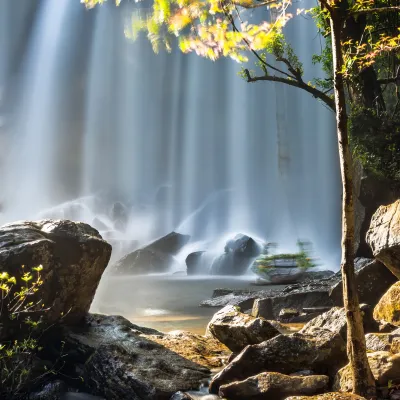
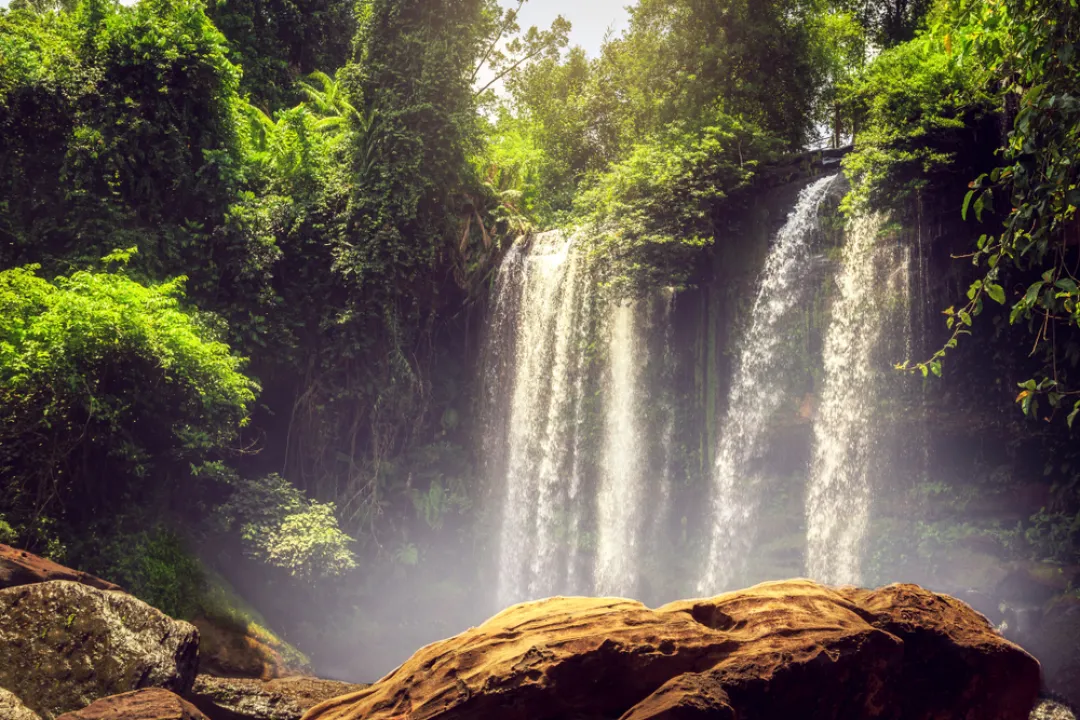
Tonle Sap is the biggest body of fresh water in Southeast Asia, and in the monsoon its level rises by about ten metres as the river reverses direction. Phnom Kulen National Park lies roughly forty eight kilometres from Siem Reap, with two waterfalls, one up to twenty metres tall, and the former sacred mountain of Mahendraparvata. UNESCO named the lake a Biosphere Reserve in 1997, and its floating villages show life adapted to the water.
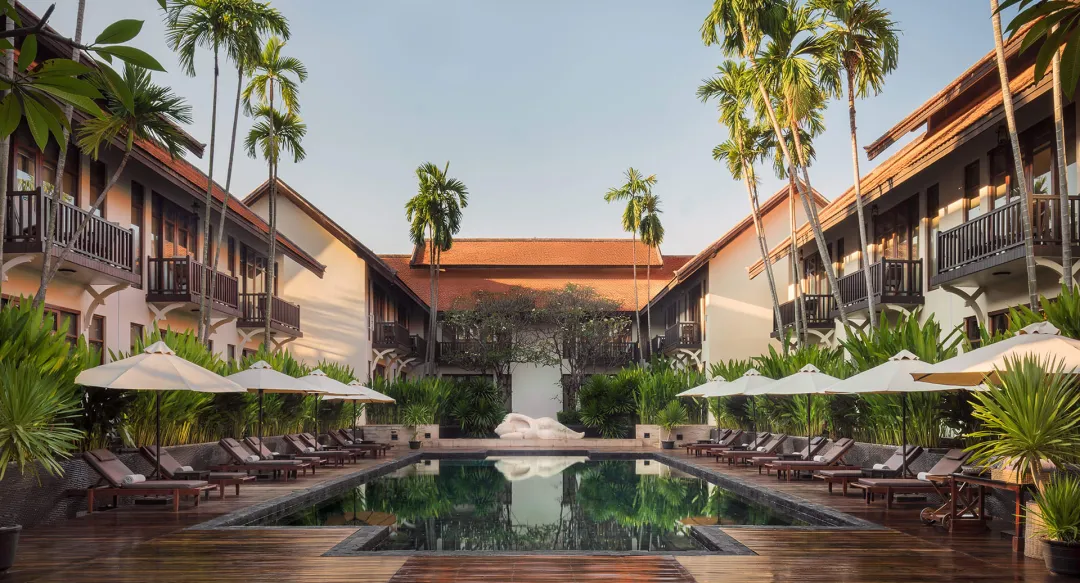
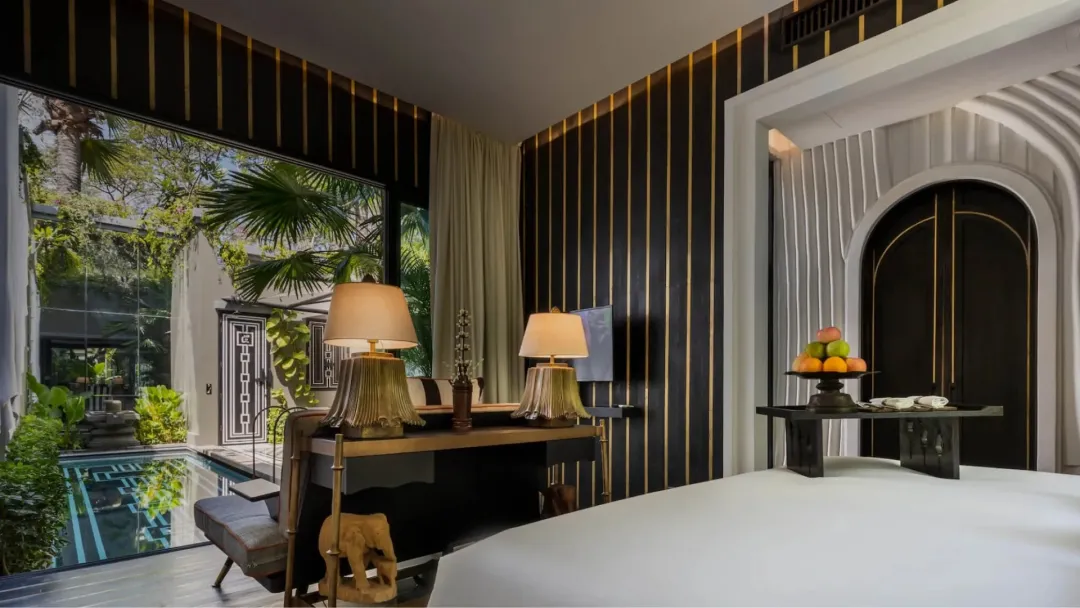
Raffles Grand Hotel d'Angkor, which opened in 1929 on the road to the temples, has a spa with traditional Khmer treatments and a pool. Park Hyatt Siem Reap offers 104 accommodations, including thirteen suites with private gardens or plunge pools. Belmond La Résidence d'Angkor, on the river in Khmer style, adds a pool, a garden and a restaurant serving French and Khmer cuisine, ten minutes by car from Angkor Wat. Each suits slow unhurried days.
Khmer cooking here is fresh and fragrant, from fish amok, a steamed coconut curry, to market snacks. Pub Street and the Old Market give a lively introduction, with food and goods for locals alongside souvenirs. Evenings suit a stroll through the market. At Belmond La Résidence d'Angkor, the restaurant serves French and Khmer cuisine, while Park Hyatt Siem Reap offers The Dining Room, pairing French and Cambodian dishes, and dining platforms at the water's edge.
Romance in Siem Reap begins before dawn, when you can watch the sun rise over Angkor Wat, whose main tower aligns with the morning sun at the equinox. Afterwards, retreat to a Park Hyatt Siem Reap suite with a private garden or plunge pool, or to Belmond La Résidence d'Angkor beside the river. Raffles Grand Hotel d'Angkor adds colonial glamour from 1929 for dinners after dusk. Evenings beside the river end the day very gently.
Families will find Siem Reap full of wonder, from Angkor Thom and the Bayon to boat trips across Tonle Sap lake and visits to floating villages. Apsara dance performances and silk farms add colour away from the temples. Hotels with pools, including Raffles Grand Hotel d'Angkor, Park Hyatt Siem Reap and Belmond La Résidence d'Angkor, give children space to cool off between sightseeing days. Shorter days with a pool stop make travelling with children easier.


 Qatar Airways
 Etihad